How Ebeling Logistik Uses LIS’s WinSped to Manage Different Business Units on a Single Centralized Platform
Today, medium-sized logistics companies face the challenge of reliably managing an ever-increasing variety of services, customer requirements, and processes. Different modes of transportation, customized customer solutions, and processes that have evolved over time can hardly be accommodated by simplified, standardized procedures. Rather than standardization, what is needed is manageability.
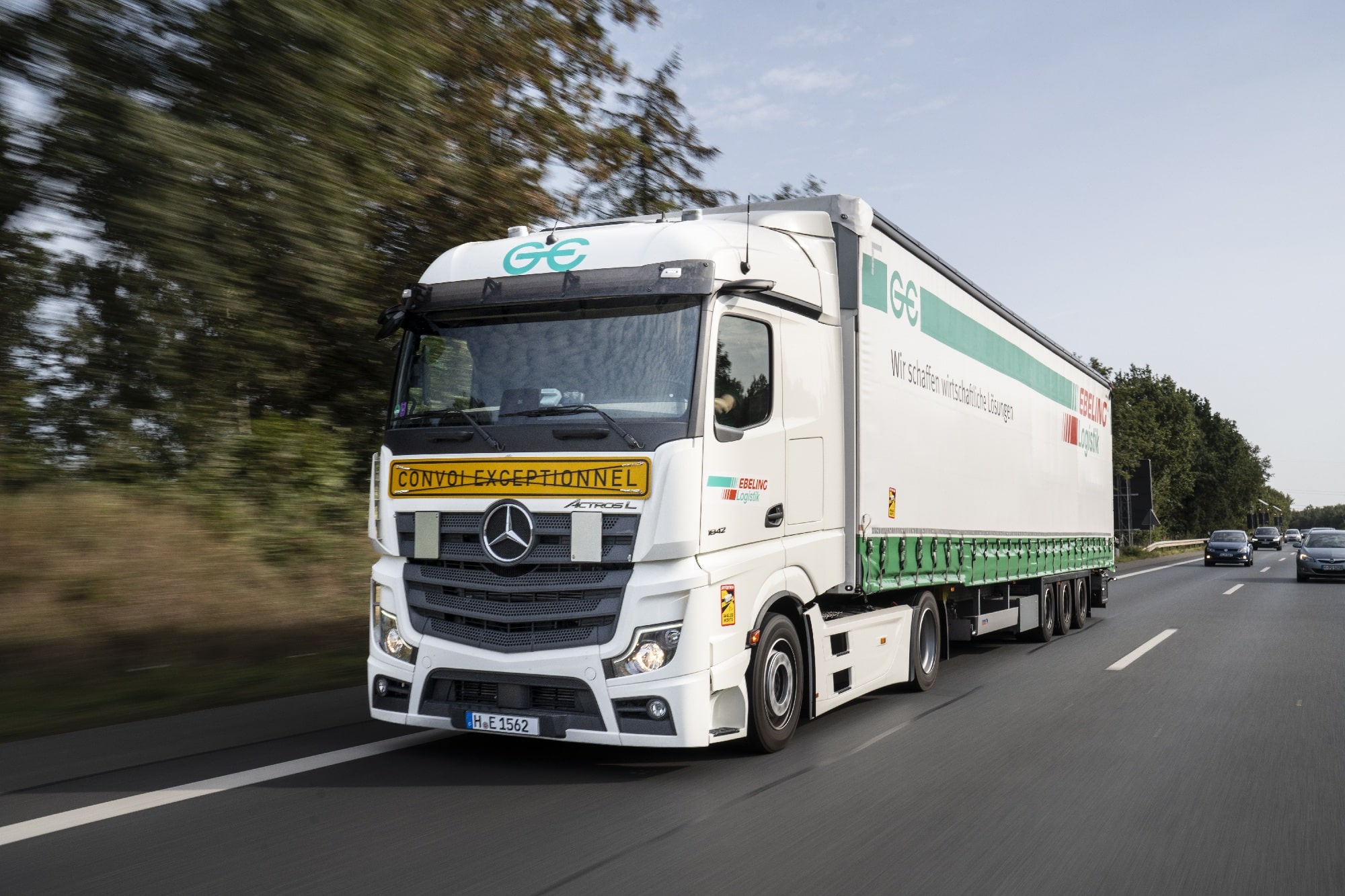
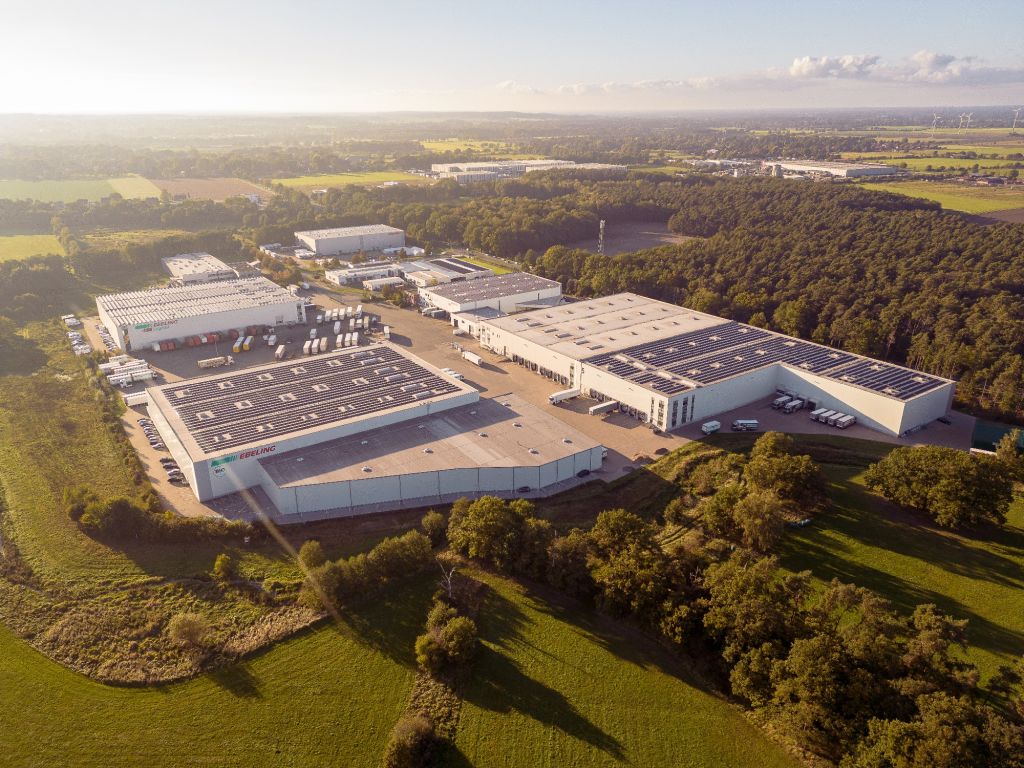
One example of this is Ebeling Logistik GmbH, which is based in the Hanover region. With approximately 450 employees, its own fleet of about 170 vehicles, and extensive warehouse capacity, the company is a reliable partner for industry and commerce. The service portfolio ranges from the distribution of food and retail goods to industrial transportation, special and customized shipments, and warehouse logistics with value-added services. This diversity entails a high degree of operational complexity. Accordingly, IT plays a central role.
“As a medium-sized logistics company, we need to continue developing our processes without limiting the diversity of our business model,” says Hendrik Ebeling, managing director of Ebeling Logistik. “For us, digitalization is not an end in itself, but a means of managing this complexity over the long term.”
Meeting the Highest Demands in Transportation Management
To efficiently manage the diversity of its business areas, Ebeling Logistik relies on the WinSped Transport Management System (TMS) from LIS GmbH. Various requirements related to scheduling, billing, and communication with customers and partners converge here and are managed centrally.
The requirements for the TMS are correspondingly high: Processes must function seamlessly, flexibly, and reliably in day-to-day operations. Automation, interoperability, and meaningful analyses play a central role in this context.
“We don’t need a system that simplifies our processes, but one that realistically reflects them,” said Ebeling. “It was important to us to have a platform that not only meets our current needs but will also continue to evolve in the future.”
Central Control Platform
WinSped handles all of Ebeling Logistik’s core processes related to transportation and billing. The TMS does not function as a rigid, one-size-fits-all solution, but rather as a central platform that seamlessly integrates various processes. The locally operated system is supplemented by numerous modules, including .NET-based order entry, graphical scheduling, the billing center, special invoicing, integrated document management, and telematics and automation services. Looking ahead, web-based applications and CO2 tracking will also be integrated more closely.
Marcel Weber, IT Manager at Ebeling Logistik, says: “WinSped is the backbone of our transportation processes,” he says. “The system can be customized very precisely to our processes and offers the necessary depth to efficiently manage different modes of transportation on a single platform.”
Schedule: Different requirements, one interface
With the introduction of its .NET-based scheduling system, Ebeling Logistik has taken an important step forward. Planning for the transition began in 2020, and implementation began in 2022. Since going live in early 2023, the company has been operating productively with the new system architecture.
The platform approach is particularly evident in inventory planning. Different modes of transportation and customer requirements call for tailored approaches that can be reflected within a single interface. The .NET-based graphical interface allows users to customize their work environment. Customizable views, filters, and shortcuts, along with noticeably improved performance, help schedulers work more efficiently and with greater clarity.
“The transition to the .NET version was a challenging project,” says Weber. “Today, we benefit from the fact that scheduling can be organized much more flexibly, usability has been noticeably improved, and the various requirements are optimally supported.”
The vehicles are connected directly to the system via the integrated telematics server. Orders, status updates, and documents are exchanged electronically, which prevents media discontinuities and significantly speeds up communication between dispatch and drivers.
Automation in Billing
Significant efficiency gains are evident, particularly in the area of billing. The partial automation of the processes has significantly reduced the amount of manual work required. Standardized billing can be processed using the system, while at the same time accommodating customized billing logic for client-specific agreements or special transportation requirements.
“The partial automation of billing is particularly noticeable.” “According to our internal estimates, we were able to save about 20 to 30 percent of the time here,” says Weber. “We automate where it makes sense, but we deliberately maintain flexibility to accommodate special requirements.” “This takes some of the pressure off employees and significantly speeds up processes.”
In addition, the invoice mailing process has been automated. The turnaround times from delivery to invoicing have been reduced, as delivery slips and other relevant documents are available digitally and in high quality immediately after an order is completed.
Interfaces for End-to-End Processes
WinSped serves as the central data hub at Ebeling Logistik. Transport orders are automatically imported into the system via integrated customer interfaces, while external systems—such as telematics solutions or document management systems—are connected at the same time. This prevents media breaks and ensures that data quality remains high.
Direct, system-supported communication between dispatch and vehicles—including status updates, messages, and photo sharing—ensures that everyone involved is kept up to date at all times. “The TMS is now an integral part of our day-to-day operations. “Automated interfaces are key to ensuring that our processes are stable, transparent, and efficient,” explains Weber.
User acceptance
User acceptance is a crucial factor for Ebeling Logistik. It arises primarily in situations where employees can adapt the system to their individual work styles. Features such as custom filters and reports allow users to compile information in a targeted manner and focus on what’s essential. “We always address the issues that aren’t going well first,” says Weber. “But we quickly realized that our colleagues really appreciate the system’s capabilities.”
In particular, the targeted compilation of information helps maintain a clear overview of day-to-day operations. Reports on tours, sales, or time periods are also used to better understand trends.
“Looking back, many users say today: A lot has really happened. “The system runs smoothly, is fast, and everyone has set up their work environment to suit their needs,” Weber said.
Partnership and Future Prospects
From the management’s perspective as well, the long-term outlook is crucial. Ebeling sums it up: “It’s important to us not only to have a platform that grows with our needs, but also a software partner who listens and is willing to evolve.”
The ongoing development of WinSped gives Ebeling Logistik the investment security it needs to continue digitizing its processes step by step. Looking ahead, the company plans to further increase the level of automation and take advantage of additional features. WinSped remains the central platform for transparent and scalable transportation and logistics processes.